

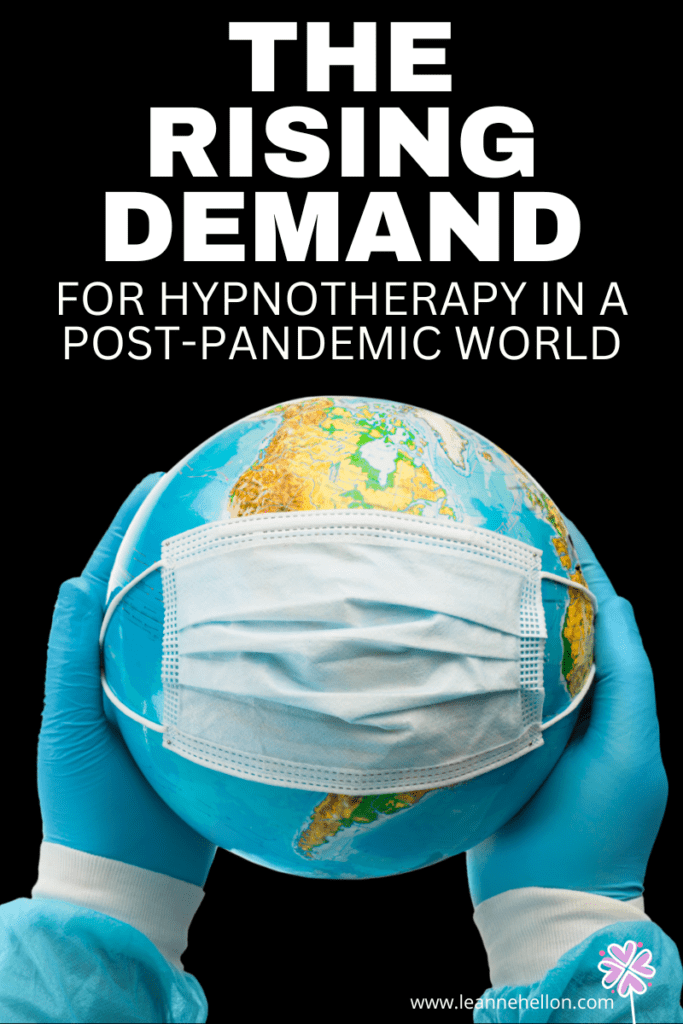
In the wake of a global pandemic, the world has been grappling with unparalleled levels of stress, anxiety, and depression. As we navigate these tumultuous times, one therapeutic approach has steadily gained traction as an effective means of managing mental health: Hypnotherapy.
The global health crisis has, without a doubt, heightened fear and uncertainty worldwide. A report by the Kaiser Family Foundation indicated that about 4 in 10 adults in the U.S. reported symptoms of anxiety or depressive disorder during the pandemic, marking a significant increase from one in ten adults from January to June 2019.
Given the current economic climate, rampant load shedding, and general uncertainty in South Africa, it is reasonable to surmise that the psychological impact could be even more profound. While exact statistics for South Africa post-pandemic are not readily available, the combination of pandemic-induced stress and these additional socio-economic challenges likely exacerbate mental health issues.
Against this backdrop, hypnotherapy has emerged as a beacon of hope for many. The technique, which taps into the subconscious mind to induce positive change, has been increasingly adopted to cope with the emotional and psychological repercussions of the pandemic.
Hypnotherapy is renowned for managing a range of stress and anxiety-related disorders. Through a series of hypnosis sessions, individuals can learn to access their subconscious mind and replace negative thought patterns with positive ones. This process helps manage stress and anxiety levels and improves overall well-being.
In addition to reducing anxiety and stress, hypnotherapy is used to combat pandemic-induced insomnia and unhealthy lifestyle habits. The pandemic has disrupted sleep patterns for many, leading to increased insomnia cases. Hypnotherapy helps by training the mind to relax, assisting individuals to achieve better sleep quality. Moreover, the therapy is used to combat unhealthy habits like excessive snacking or lack of exercise, which many have adopted during the lockdown.
As we continue to grapple with the mental health fallout from the pandemic, the role of hypnotherapy in our collective healing process is poised to grow even more crucial. It is no longer just an alternative therapy but a mainstream tool for managing mental health, improving quality of life, and promoting overall well-being in these challenging times.
In conclusion, the rising demand for hypnotherapy in a post-pandemic world is a testament to its efficacy and role in helping us cope with an increasingly stressful world. As more and more people seek out hypnotherapy as a form of treatment, the industry will continue to thrive and evolve, playing an integral part in our global mental health response.